Too often, it is reduced to stereotypes — a narrow narrative that overlooks the depth, resilience, and wisdom that come with lived experience. Instead of being recognised as a natural and meaningful transition, it is frequently framed as something to resist, conceal, or “get through.”
Yet for many women, midlife is anything but a diminishing chapter. It can be a time of re-evaluating priorities, rediscovering parts of oneself that may have been set aside, and stepping into a more authentic way of living.
While every woman’s experience is unique, this phase of life often brings particular challenges and themes: physical changes, shifting roles, significant life events, and deep reflection on identity, purpose, and direction.
You may be experiencing:
Changes in physical health and energy
These can also be related to perimenopause and menopause, as well as changes in your body over time. They may be both visible and invisible challenges.
Re-evaluating relationships with partners, family, and friends
Reassessing what you need from these connections and how they support your wellbeing.
Reflecting on career and purpose
Considering past achievements, current fulfilment, or the desire for a new direction. This may include navigating retirement, whether planned or unexpected.
Parenting transitions
Such as adjusting to a changing relationship with children as they grow more independent or leave home.
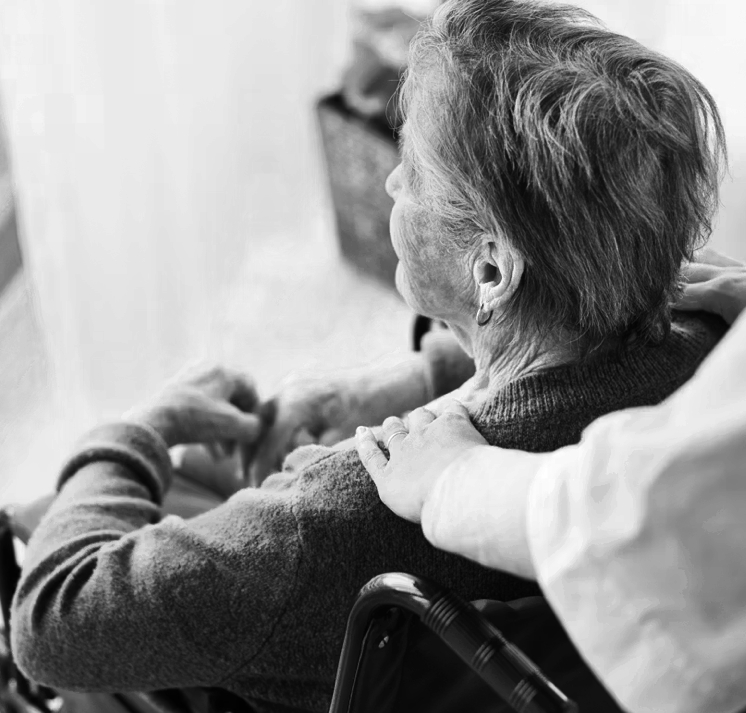
Increased caregiving responsibilities
Especially for aging parents, often alongside continued care for children or even grandchildren.
Grieving significant losses
Whether through bereavement, divorce, or other life changes.
Every woman’s experience of menopause is different
For the women that go through menopause, it’s the natural end of the menstrual cycle when the ovaries reduce oestrogen and progesterone production (although it can happen earlier due to medical treatment or surgery). Fluctuating and declining levels of these hormones during perimenopause and menopause can trigger a host symptoms – physical, psychological, and emotional. Around 20% of women experience no symptoms, while 40–60% have mild to moderate ones. For another 20%, the symptoms can be severe and significantly impact daily life.
Just to name a few there’s…hot flushes, night sweats, mood swings, low mood, depression, anxiety, irritability/frustration/anger, sleep disturbance, difficulty focusing, brain fog, reduced sex drive, fatigue, joint pain, weight gain….
There are various treatment options available to help manage menopausal symptoms. Seeking support and ensuring you receive the best possible care during this time is important, and counselling can be a valuable part of that support.
Midlife can be time of significant psychological transition
The roles, ambitions, and identities that once felt certain begin to shift, prompting a reassessment of what truly matters. This stage can open space for deeper self-awareness. Rather than focusing on caring for others and/or striving to prove yourself, the focus may move toward meaning, authenticity, and balance. Relationships, purpose, and personal values may take on new importance.
While this transition can feel challenging, midlife is also a period of integration, where past experiences are woven into a clearer sense of who you are and how you want to live the years ahead.
Midlife can be a turning point – a time to reconnect with yourself on a deeper level and move forward with renewed clarity and intention. Counselling with The Midlife Well offers a space to explore this terrain with support and compassion.